Our guide Joseph once cut short a sighting of a huge Amboseli tusker mid-photograph, just as the light turned gold. He didn’t explain until we were half a kilometer away. The bull’s temporal glands were streaming, his back legs were dark with urine, and he was swaying his head in a way Joseph called “not friendly, not angry, just somewhere else.” That was our first real lesson in musth.
If you’re planning a trip during elephant musth season, these elephant musth season safety tips are exactly what we wish every guest read first. It’s not meant to scare you off. It’s meant to help you understand what you’re looking at, and why your guide might make calls that seem overly cautious in the moment.
What Musth Actually Is
Musth is a temporary condition in mature male elephants, usually bulls over 25 years old, driven by a spike in testosterone that can run 20 to 60 times higher than normal. It’s not an illness and it’s not aggression for its own sake. It’s a reproductive state, similar in some ways to rut in deer, and it can last anywhere from a few days to three or four months depending on the bull’s age, condition, and access to females.
During musth, a bull’s temporal glands, located between the eye and the ear, swell and secrete a dark, tar-like fluid. He’ll also dribble urine almost constantly, leaving a strong, sweetish smell that experienced trackers can pick up from surprising distances. Younger bulls sometimes fake parts of this display without the hormonal surge behind it, which is one reason guides rely on more than one sign before deciding how to respond.
Elephant Musth Season Safety Tips: How to Spot a Bull in Musth
A few things give it away, often before you’re close enough for the smell:
- Dark staining running down both sides of the face from the temporal glands
- A wet streak or dribble along the inside of the back legs
- A rolling, deliberate walk, sometimes with the head held high and ears out
- A strong musky odor that can carry 50 meters or more downwind
- Reluctance to move off the road or give way to vehicles, which non-musth bulls usually do
None of these signs alone means danger. Together, they mean your guide should slow down and start thinking about routing.
Why Musth Changes the Risk
A bull in musth is focused on finding females and warding off rivals, not on cars. Most of the time he’ll ignore a vehicle entirely. The problem is unpredictability. A bull that seems calm can turn and mock charge within seconds, and musth bulls have a documented history of directing that unpredictability at anything nearby, vehicles included. Kenya Wildlife Service rangers and most private conservancies treat musth bulls as a distinct category in briefings for exactly this reason.
This is different from an elephant simply being irritable. A musth bull isn’t reading your intentions. He’s running on hormones, and that means his threshold for tolerating a vehicle 30 meters away might be completely different from the same bull’s threshold two weeks earlier or two weeks later.
Safe Distances: Musth Bulls vs. Everyday Elephants
Distance guidance changes once musth is confirmed. Here’s how we brief our guides and guests in the field:
| Situation | Recommended distance | Typical guide response |
|---|---|---|
| Elephant herd, no bulls in musth | 20 to 30 meters | Normal viewing, engine can stay off |
| Lone bull, calm, no musth signs | 25 to 40 meters | Slow approach, engine idling |
| Bull in musth, calm behavior | 60 to 80 meters | Angled approach, engine running, exit route planned |
| Bull in musth, agitated or blocking road | 100 meters or more | Reroute, radio other vehicles, no photography stop |
| Musth bull actively approaching vehicle | Reverse immediately | Guide reverses at speed, does not turn broadside |
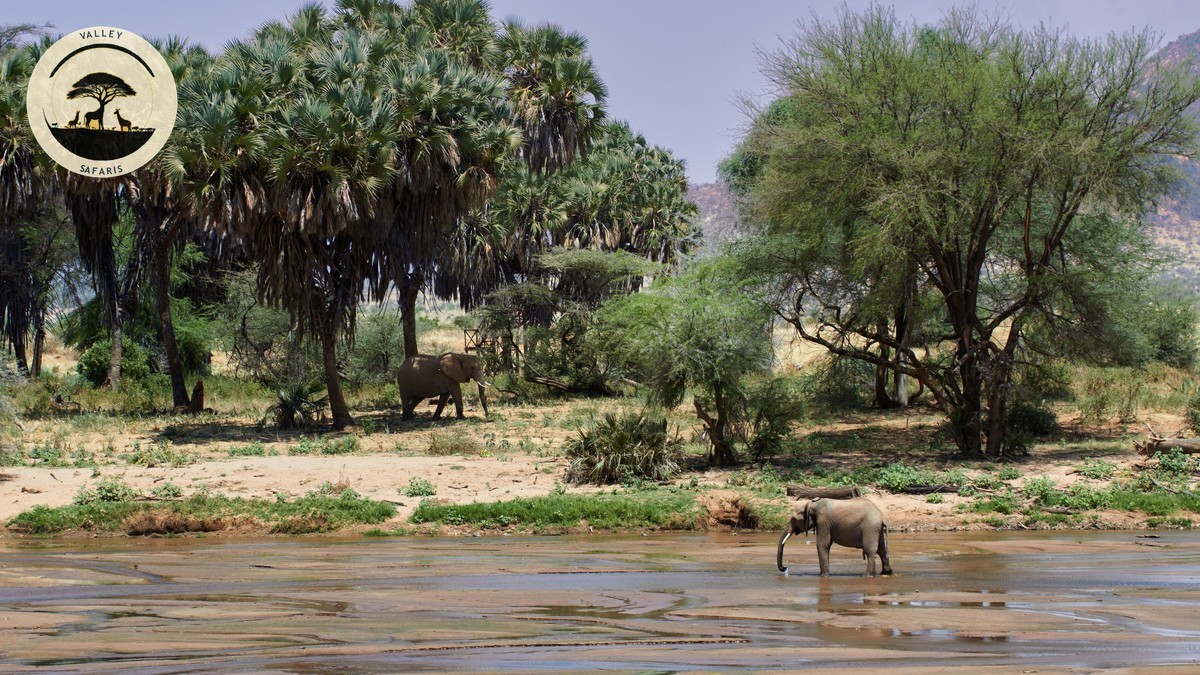
These are the ranges we use across Amboseli National Park, Samburu National Reserve, and the Mara North Conservancy. Conservancy rules can be stricter than national park minimums, and a good guide will always default to the more conservative figure.
Mock Charge or Real Charge?
This is the question every guest asks, and it’s worth getting right. A mock charge usually involves ears fanned wide, a short burst forward, then a stop with a head shake or trumpet, often followed by the bull backing off on his own. A real charge tends to have ears pinned back or forward and flat against the head, a straight, committed run with no slowing, and total silence. We’ve written a full breakdown of how to tell a mock charge from a real charge, which is worth reading before any trip during musth months.
The short version for the field: if the ears are out and it stops, stay still and let your guide handle the vehicle. If the ears are back and it doesn’t stop, your guide is already reversing, and you should hold on rather than reach for a camera.
When Musth Season Happens in Kenya
Musth isn’t seasonal in the strict sense, since individual bulls can come into it at different times depending on their own condition. But in Kenya, sightings cluster noticeably during and just after the dry months, roughly July through October, when food and water are concentrated enough for bulls to compete over access to breeding herds. Amboseli, with its long-term monitored population of big tuskers, sees some of the most reliable musth activity in the country during this window. Samburu’s bulls tend to show musth behavior slightly later, often September into November, tied to the Ewaso Nyiro River’s dry season flows.
Female elephants do not experience musth. The behavior is specific to mature bulls, which is one reason herds led by matriarchs are almost always calmer to approach than a lone bull during these months.
What Guides Actually Do
This is the part most blog posts skip. When our guides identify a musth bull, the first move is a radio call, not a photo stop. Every Valley Safaris vehicle in the area gets the bull’s location, direction of travel, and a rough distance so nobody drives into it blind. If we’re already close, the guide angles the vehicle so it’s facing an open exit, never parks broadside, and keeps the engine running rather than switching off for a quieter photo.
If the bull is near a junction or waterhole that our route needs, we reroute, even if it means a longer drive back to camp. In Amboseli during peak musth weeks, that can add 20 to 30 minutes to a game drive. It’s a trade we make without hesitation.
The Honest Trade-Off for Photographers
If you’re traveling with a camera, musth season is a mixed bag. You’ll see bulls in a state most guests never witness, muscular, purposeful, dramatic against the dust. But you’ll also get pulled away from promising scenes more often than during calmer months. Expect more shots from 80 meters with a long lens and fewer from 25 meters. Guides who cut a sighting short aren’t being overcautious for no reason. They’re reading signs you may not have learned to read yet.
Choosing where to go matters here too. For a deeper look at choosing between Amboseli and Samburu for elephant sightings, including which one tends to offer calmer viewing during musth months, we’ve laid out the trade-offs in detail. And if elephant behavior across regions interests you, Tsavo’s red elephants offer a completely different, dust-driven story worth reading on its own.
Common Myths Worth Retiring
“Musth means mad” is the biggest one, and it’s not accurate. Musth is a hormonal state tied to breeding, not madness or illness. Another myth: that all bulls in musth are dangerous all the time. Most musth bulls spend the majority of their time feeding and walking, ignoring vehicles entirely. The danger comes from unpredictability, not constant aggression, which is exactly why distance and vehicle positioning matter more than bravado.
Is It Safe to Go on Safari During Musth Season?
Yes, with a trained guide who takes it seriously. Musth season is not a reason to avoid Kenya from July through November. It’s a reason to book with an operator whose guides know the radio protocol, the exit routes, and the difference between a mock charge and a real one before you ever need that knowledge.
The Valley Safaris Difference
Every Valley Safaris guide completes annual refresher training on dangerous game behavior, including musth-specific protocols, run through Kenya Professional Safari Guides Association standards. Our vehicles carry radios tuned to a shared frequency across Amboseli, Samburu, and the Mara North Conservancy, so a musth sighting reported by one car reaches every other Valley Safaris vehicle within minutes. We also brief every guest on arrival, not with a lecture, but with a short, honest conversation about what to expect if we meet a bull in musth. We’d rather you understand the plan before you’re in the vehicle than explain it while reversing.
Plan Your Trip
Curious what an Amboseli or Samburu itinerary looks like during musth season, tuskers included? Take a look at our Kenya elephant safari tours or reach out through our contact page and we’ll help you build a trip around the sightings you actually want.